Starting your home studio doesn’t mean you need to have a commercial studio budget. With the best plugins for home studio music production in 2026, you can easily create music using only a computer, an audio interface, and suitable software. By using the right combination of home studio plugins, smaller production spaces provide a level of clarity, depth, and polish that can yield comparable results to those from larger studios.
There are a number of things you need to keep in mind when purchasing VSTs or home studio plugins. You don’t need to own a ton of tools either.
It is choosing focused, efficient music production plugins that cover recording, mixing, and mastering without overwhelming the workflow. Today, we are talking about the must-have plugins for home studio production, including both free and paid music plugins, while helping producers build a refined and minimal plugin chain.
Why Plugins Matter in a Home Studio Setup
Home studios rely heavily on digital tools. Unlike large commercial spaces filled with analog gear, modern producers depend on home studio production tools that replicate compressors, EQs, reverbs, saturation units, and mastering processors in software form.
High-quality plugins for recording, mixing, and mastering allow:
- Clean vocal recordings
- Balanced instrument tracks
- Professional sound at home
- Faster and more creative workflows
- Budget-friendly audio plugins that replace expensive hardware
When carefully chosen, plugins compatible with all DAWs make it easier to move between systems without losing flexibility.
Must-Have Plugins for Home Studio Music Production
Home studio plugins typically fit into several major categories. As a music producer, you will be able to narrow down your list to your favourites without feeling overwhelmed by brands.
1. EQ Plugins – The Foundation of Mixing
An equalizer is one of the most important mixing plugins for home studio environments. EQ shapes frequencies, removes muddiness, enhances clarity, and creates space between instruments.
Every home music producer needs:
- A transparent corrective EQ
- A musical EQ for tonal shaping
2. Compression Plugins – Controlling Dynamics
Compression is one of the most important plugins. For any style, whether recording vocalists, drums, bass or full mixes, compression is essential among home studio plugins.
Key uses:
- Smoothing vocal performance
- Tightening drum transients
- Enhancing sustain
- Gluing a mix together
The best plugins for home studio music production typically include at least one versatile compressor and one bus compressor.
3. Reverb and Delay – Creating Space
Without space effects, recordings feel dry and lifeless. Reverb and delay are essential plugins for home music producers who want depth and dimension.
Types to consider:
- Plate reverb for vocals
- Room reverb for natural ambiance
- Delay for rhythmic enhancement
4. Saturation and Harmonic Enhancers
Saturation plugins add warmth and character. These music production plugins subtly emulate analog tone, making digital recordings feel richer and more cohesive.
A light saturation plugin can:
- Add harmonic density
- Improve vocal presence
- Enhance drums and instruments
5. Limiter and Mastering Plugins
A clean limiter is critical in the final stage of production. Mastering plugins ensure competitive loudness while preserving clarity and dynamics.
Essential mastering tools include:
- Brickwall limiter
- Multiband compression
- Stereo imaging tools
These recording plugins for music production help deliver release-ready tracks directly from a home studio.
Free and Paid Music Plugins: What Should Be Chosen?
One common question among home producers is whether free tools are enough.
Free and paid music plugins both serve important roles:
- Free plugins are best for beginners and budget-friendly creators.
- Paid plugins provide better algorithms, better UI, and enhanced controls.
How to Build a Minimal Plugin Chain
More plugins do not equal better results. A refined, minimal plugin chain often produces cleaner, more focused mixes.
A simple vocal chain might include:
- EQ (corrective)
- Compressor
- De-esser
- Saturation
- Reverb/Delay (on send)
- Limiter (if needed)
This structure covers the essentials without unnecessary complexity. The goal is balance and clarity, not over-processing.
Best VST Plugins for Home Studio: What to Look For
When evaluating the quality of different VST plugins, music producers need to keep the following in mind:
- CPU efficiency
- Clean interface
- Cross-DAW compatibility
- Flexible presets
- Transparent sound quality
Plugins compatible with all DAWs ensure long-term flexibility. Whether using Ableton, Logic, FL Studio, or Pro Tools, compatibility prevents workflow disruptions.
Elevating Home Studio Production with Sauce Audio
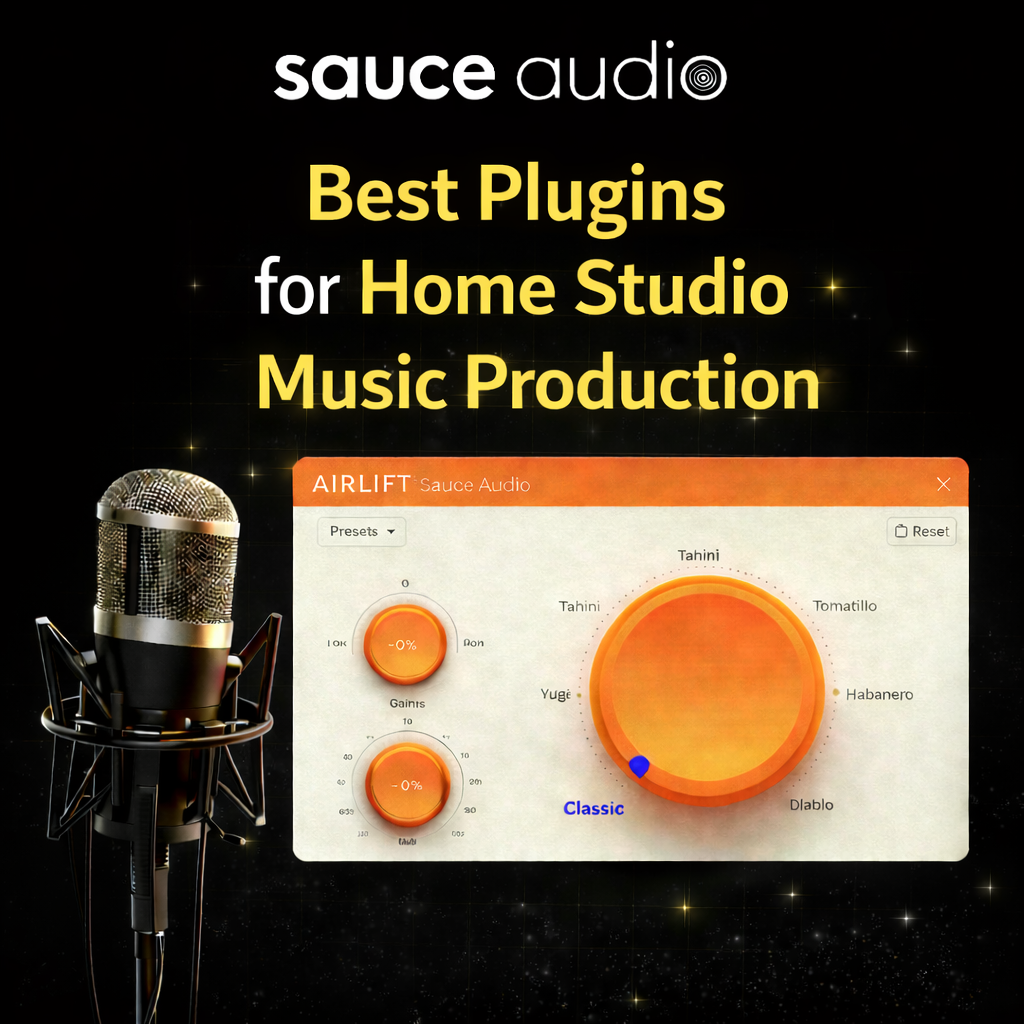
Instead of stacking dozens of tools, Sauce Audio emphasizes precision and usability, helping creators achieve professional sound at home with fewer steps.
To view a carefully planned list of home studio plugins that are specifically tailored to today’s producers, visit Sauce Audio’s website, and discover its plugin offerings for enhanced music recording, mixing, and mastering workflows.
A focused plugin collection saves time, reduces guesswork, and ensures every track sounds polished and competitive.
Professional Sound at Home on a Budget
Home studios thrive on efficiency. Budget-friendly audio plugins can absolutely compete with expensive analog hardware when used correctly.
To maximize results:
- Prioritize clean recordings
- Avoid over-processing
- Use subtle compression
- Trust reference tracks
- Maintain headroom during mixing
The best plugins for home studio music production enhance what already exists rather than masking poor recording quality.
Essential Plugins for Beginners in Music Production
Beginners often feel overwhelmed by options. However, only a few audio plugins for beginners are truly essential:
- EQ
- Compressor
- Reverb
- Delay
- Limiter
These tools cover nearly every need in recording and mixing. As skills develop, additional creative plugins can be introduced gradually.
Final Thoughts: Quality Over Quantity
What you want most when using home studio plugins is to be productive! By having the right combination of plugins installed on your computer, you are able to create a quick workflow, produce clean mixes and give yourself room to be creative.
Whether you use free or commercial music production plugins, or only use high-end, carefully crafted Sauce Audio tools, the priority should always remain clarity, balance, and simplicity.
If you take a streamlined approach to selecting which recording, mixing and mastering tools will help you create more music with less hassle, you will likely end up finding that selecting the right home studio music production tools will turn your small home studio into a huge creative space that produces release-ready tracks without a lot of effort. All the very best!
FAQs
- Best Plugins for Home Studio Music ProductionThe best plugins for home studio music production include EQ, compression, reverb, delay, saturation, and a limiter. You can use these plugins while recording, mixing, and mastering music; consequently, they can help you record a polished and finished piece of music from the comfort of your home.
- Do home studio producers need paid plugins to sound professional?It's true that both free and paid plugins can help you get the best sound possible; however, using the right tool at the right time in your musical process will yield better results than just purchasing expensive plugins or instruments. While paid plugins may do the jobs with additional features or enhance workflow, skill level is what ultimately produces a professional sound.
- Can free plugins be used for recording and mixing at home?Yes. Free plugins can absolutely be used for recording plugins for music production and mixing plugins for home studio setups. Careful selection and proper technique matter more than cost.
- How many plugins do you actually need for a home studio setup?Five to ten high-quality plugins at any time is usually enough of a collection for mixing and producing music in a home studio. Using too many plugins on one music project may ultimately hinder your workflow or create chaos in your final mix.
- How do you build a refined, minimal plugin chain for a home studio?Start with corrective EQ, then add compression to your tracks before using saturation or space effects to provide subtler enhancements. Keep your plugin chain simple and purposeful, with the goal of creating clarity and balance in your music.